About
A small buying house, not a plantation — Flush selects lots after harvest rather than growing its own leaf.
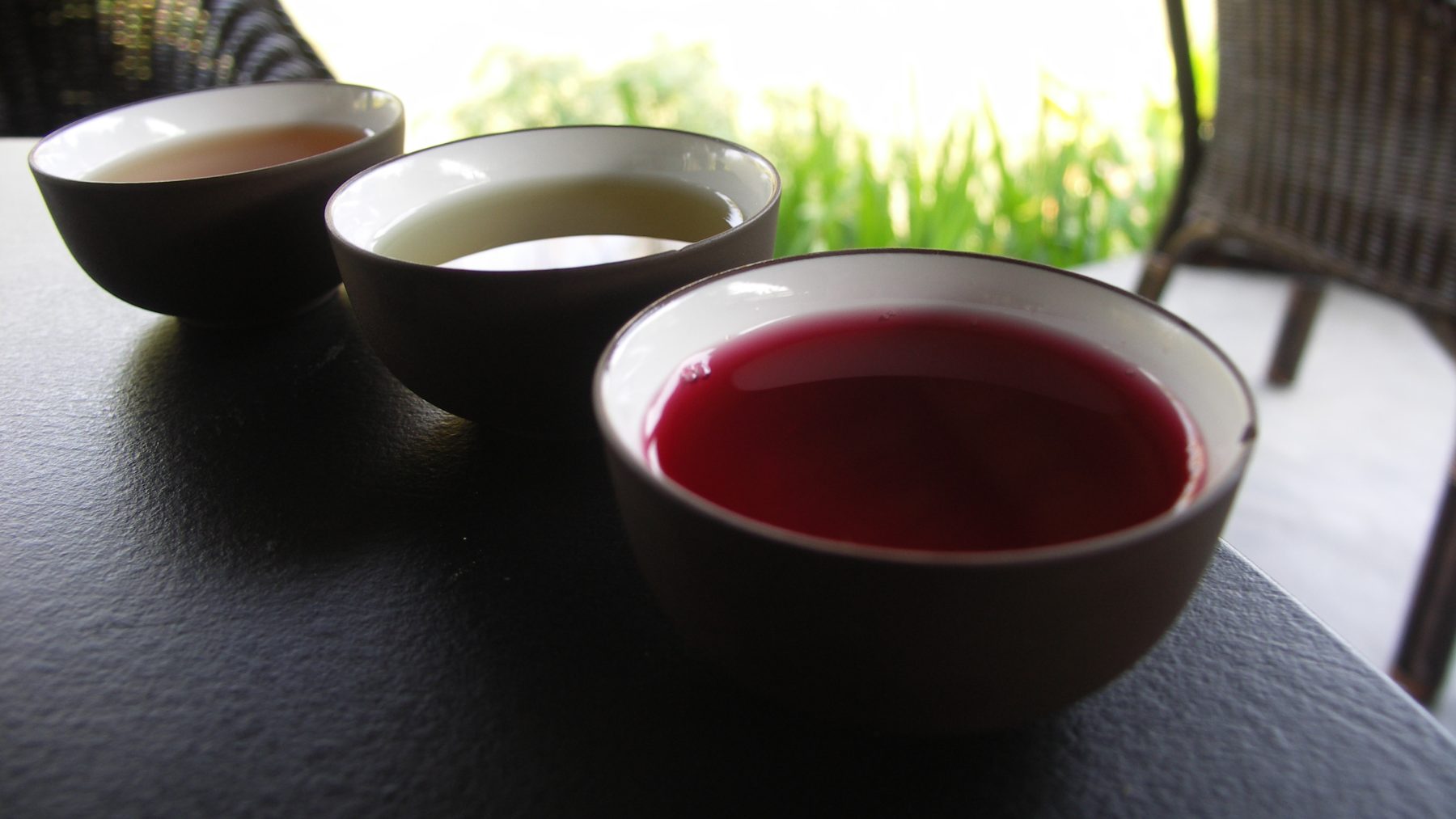
Flush buys finished lots directly from gardens after each harvest, rather than growing or blending its own leaf. Every tea on this site is listed under the garden, cultivar and flush it actually came from, because those three facts predict the character in the cup more reliably than a marketing name does.
We turn down more lots than we take. A garden’s second-flush Darjeeling being excellent one year doesn’t guarantee the next year’s lot is — weather, plucking standards and a dozen small processing decisions all move the result, and we taste every lot blind against the last three seasons before it’s offered here.
How a lot gets chosen
Three tastings, at minimum: dry-leaf aroma on arrival, a first liquor tasting against the previous year’s lot from the same garden, and a second tasting a month later to check the tea hasn’t faded in transit. A lot that fails any of the three doesn’t get listed, regardless of price.
What we don’t do
We don’t blend gardens or flushes together to smooth out a weak year — every lot here is single-garden, single-flush. We don’t age or ‘improve’ anything except raw pu-erh, which is meant to be aged. And we don’t reuse a garden’s name on a tea we didn’t taste that season; if a lot sells out, it’s gone until the next harvest.