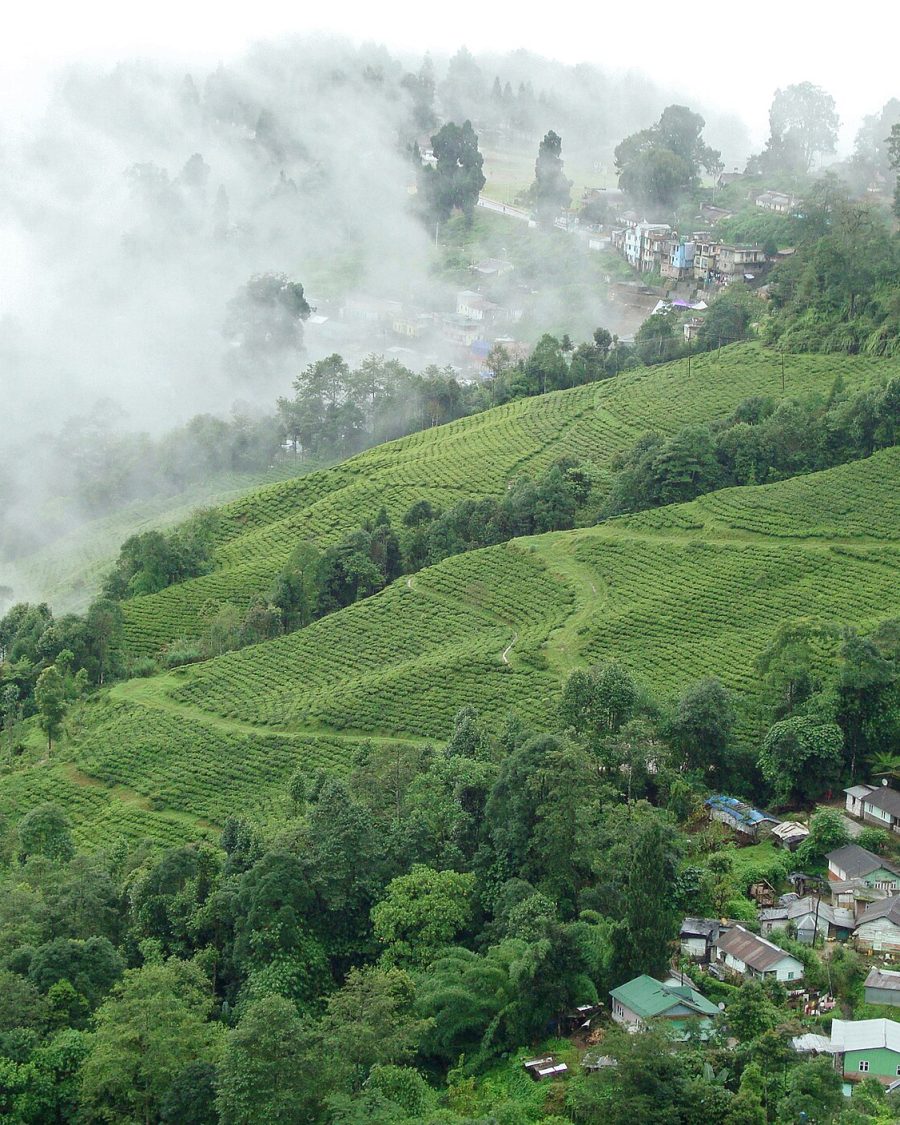
Fernhill Second Flush Muscatel
The muscatel note is real grape-must character, not a tasting-note cliché — and it only shows up in this six-week window.
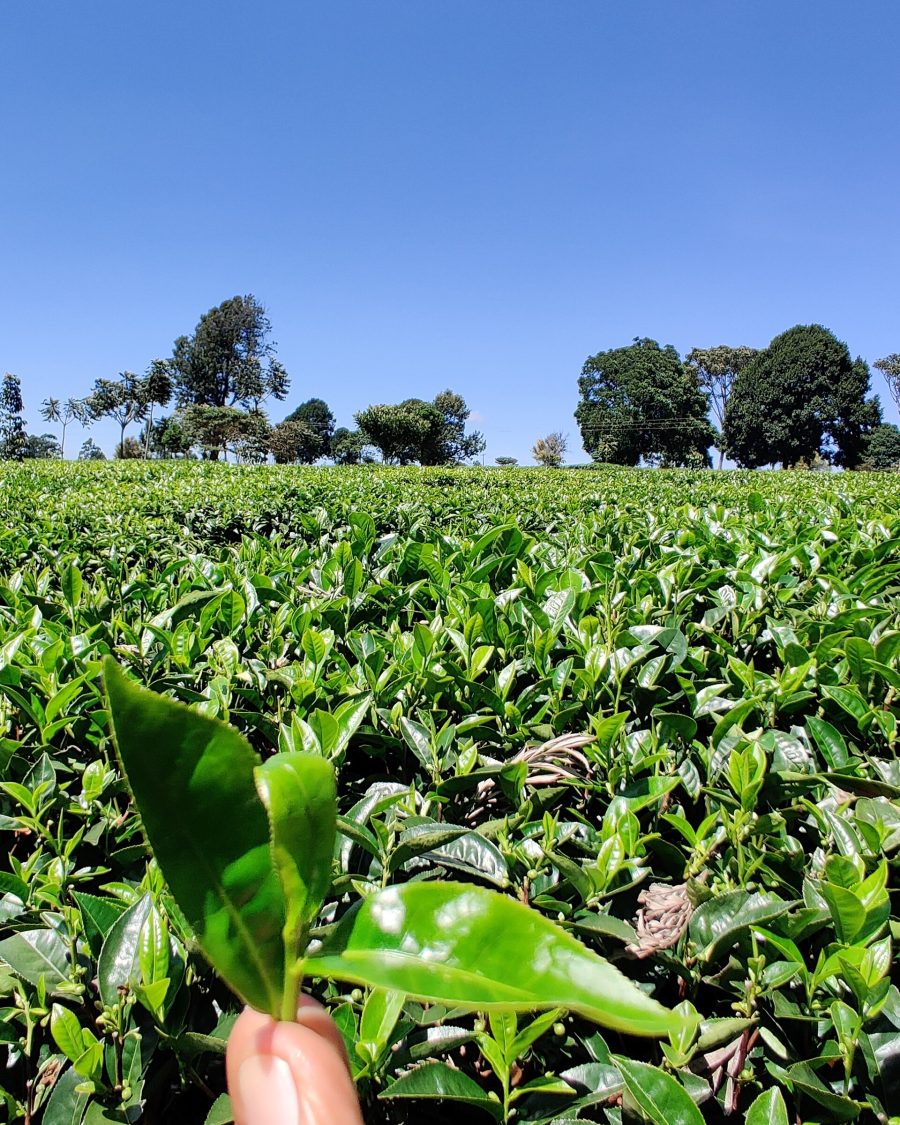
Second flush is the harvest Darjeeling built its reputation on. The same bushes that gave a pale, floral first flush six weeks earlier now give something rounder and more structured, with the grape-like “muscatel” note the region is named for internationally. The cause is still debated agronomically — leafhopper damage to the leaf during the pre-monsoon dry spell is the leading theory — but the effect in the cup is unmistakable once you’ve tasted a genuine example next to an ordinary black tea.
Fernhill picks second flush over roughly six weeks, adjusting oxidation lot by lot rather than running one fixed recipe, which is the difference between a garden that treats muscatel as a target and one that treats it as an accident.
Fuller withering and rolling than first flush, oxidized further, then fired — developing the muscatel note the estate is picked for.