Iron Blossom Tieguanyin
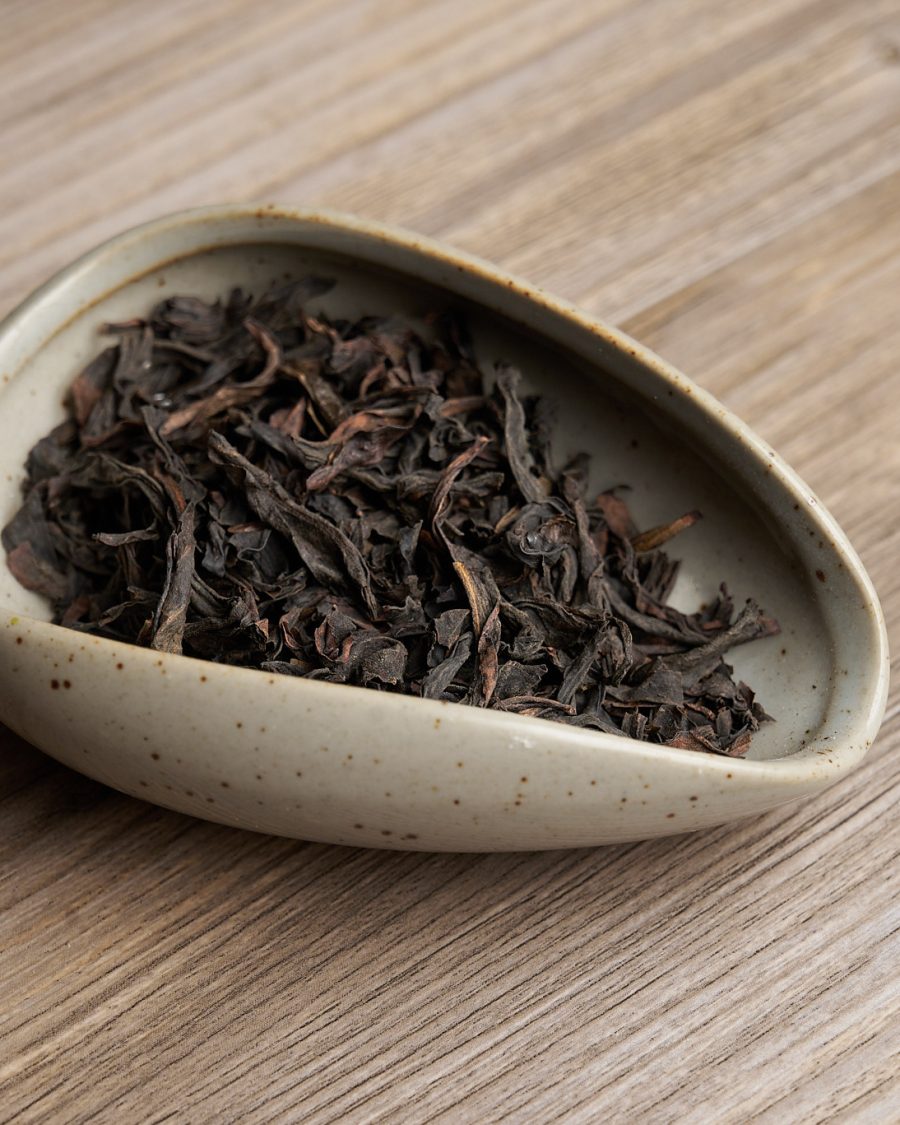
The tight ball shape and light, floral style is a modern preference — traditional Tieguanyin was rolled into strips and oxidized and roasted much further.
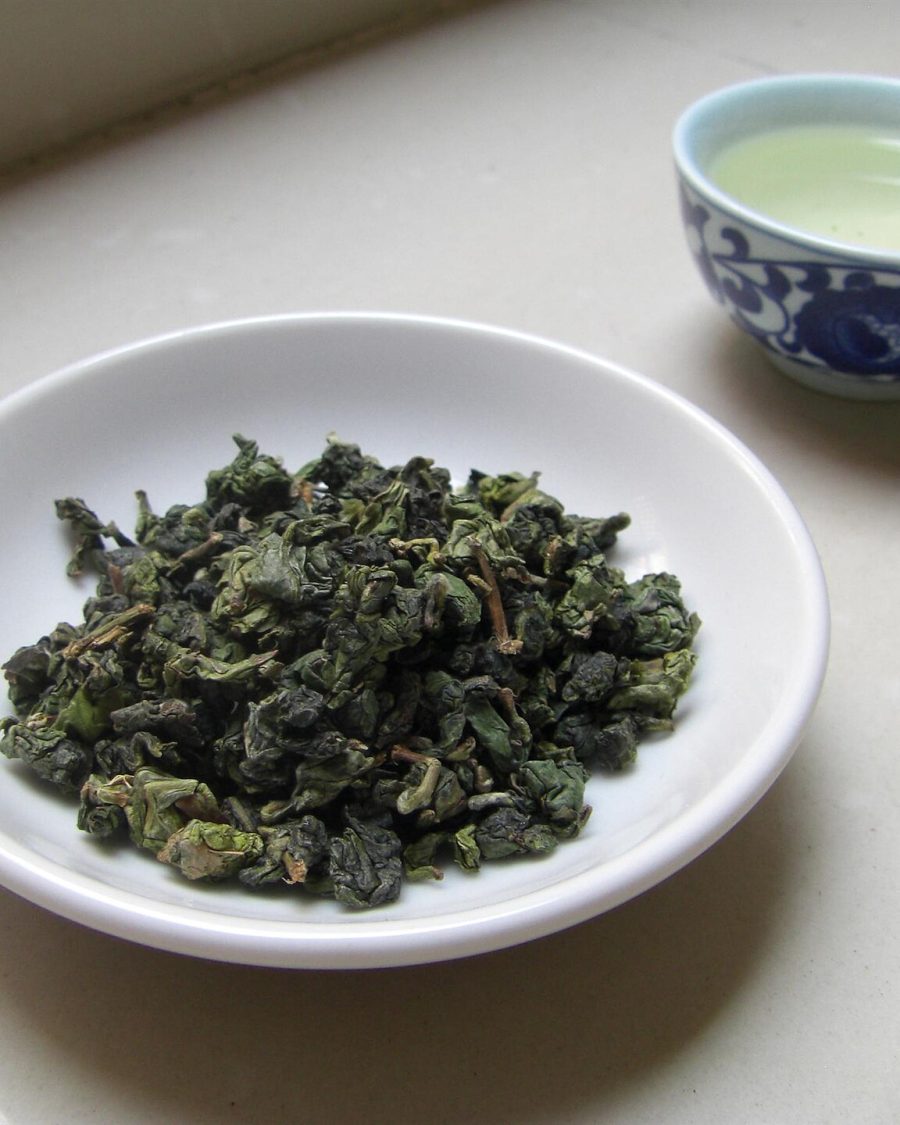
Tieguanyin (“Iron Goddess of Mercy”) from Anxi has drifted a long way from its traditional style over the last few decades. Older processing oxidized the leaf substantially and finished with a real charcoal roast, closer in character to the Wuyi rock oolongs it’s often confused with. The modern style most drinkers now expect is lightly oxidized — 15–20%, near the low end of the oolong range — and rolled repeatedly under cloth pressure into the tight, ball-like pellets that unfurl slowly over several infusions, favouring a green, floral, almost orchid-like profile instead.
Both styles are genuinely “Tieguanyin” in the sense the term is used commercially; Iron Blossom makes the modern, lighter one.
Lightly oxidized, then rolled and wrapped repeatedly under pressure into tight pellets over several hours — the step that gives modern Tieguanyin its ball shape.